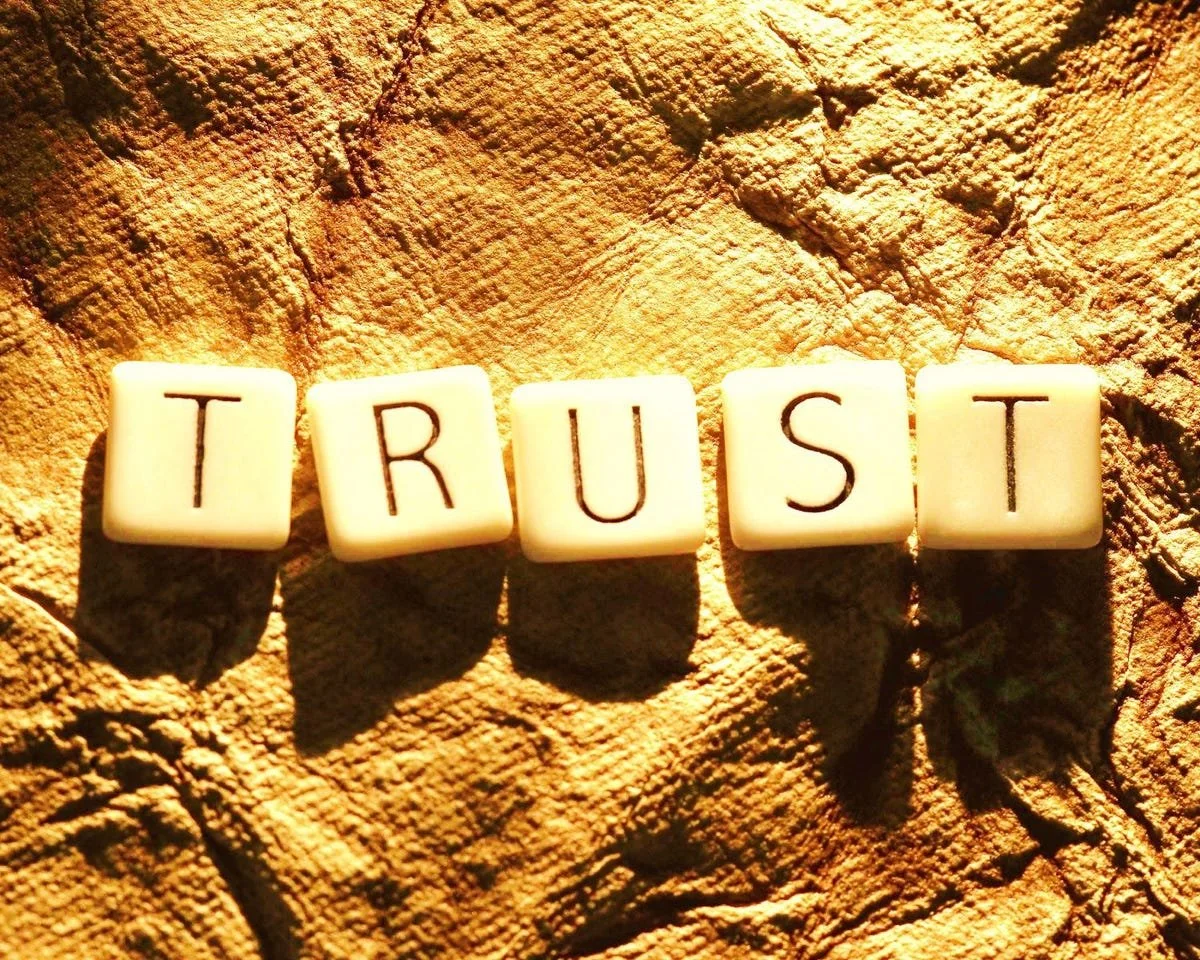
Trust; More Than A Feeling
Trust. It’s more than a feeling. It is complex. It is the glue that holds relationships together. How do people develop trust in a relationship? Developing trust is a foundation of a healthy relationship and when this trust is broken, for example, when there has been betrayal, it is hard to repair and can feel traumatic. Trusting relationships are built on vulnerability by the trustor (the person that trusts) and the trustee (the person that is on the receiving end of your trust). Vulnerability allows people to open up and share who they are and to be able to do this, they need to feel safe with the other person, that is, the person who is viewed as being trustworthy. There are different types of trust, from emotional trust to informational trust, the ability to trust oneself (self-trust), situational trust, and physical trust.
How about when trust is broken? How is it rebuilt? Regaining trust in someone who you feel has wronged you requires accountability, that is, owning up to one’s actions; it also requires communication that is open and consistent over time. It takes effort to regain someone’s trust, and it could take some time before that begins to take place. Trust is something that is earned and not just handed over that easily.
The ability to trust someone is built on feelings of emotional safety and connection. These feelings create a climate whereby partners feel they can be totally themselves with another. In healthy relationships, trust shows up in different ways. The following are some of the ways that trust manifests itself in relationships.
Emotional trust creates an atmosphere where partners feel they are being handled with care. When there is emotional trust, empathy is present, that is, the ability to put oneself in someone else’s shoes, not to be confused with compassion, also highly important but different in nature. When feelings of empathy are heightened, partners can feel what it would be like to be in the other’s shoes. This creates deeper understanding and strengthens the connection and leads to happier, more trusting relationships.
Instrumental trust is the type of connection that also shares something in common with the love language of Acts of Service. (For more in-depth exploration of this topic, please refer to my blog entitled, Discover Your Love Language). People high in instrumental trust show up, are practical, follow through on commitments and responsibilities, and keep their promises.
Informational trust is the sharing of information that is viewed as accurate. The communication style high in informational trust is clear, honest, and reliable. There is a sense that the details conveyed are precise and that the person conveying this information can be trusted.
Self-trust. People high in self-trust trust their own judgement, are less concerned with the opinions of others. They have high self-esteem and strong feelings of self-worth, facing challenges with confidence, following through on commitments. There is a lot of opportunity for growth in this mindset. They are open-minded and trust their instincts and intuition to guide them.
Situational trust presents itself in a particular context. For example, a professional’s expertise, such as a dentist or an auto mechanic. This type of trust is based on a specific skillset or personal strengths that you trust your partner about. For example, trusting your partner’s ability to handle the finances in the household or fix something should it break.
Physical trust. Feeling safe in someone’s presence physically where you do not feel you would be harmed in any way. This is essential in relationships, creating feelings of safety, security, and respect from your partner or other important figures such as a coach or caregiver.
Developing the ability to respond emotionally is essential in building trust whether in the beginning of a new relationship or after trust has been broken, to regain trust in the person following a disagreement. Responding during difficult moments and moments of vulnerabilities creates a sense of security in a relationship and strengthens the bond. Strive for consistency in action. People that are consistent in their actions are viewed as more trustworthy individuals.
Being able to admit you made a mistake is essential in rebuilding trust. Do not strive for perfectionism but strive for growth. Everyone makes mistakes and mistakes are an opportunity to grow and learn from the experience. Do you have genuine feelings of regret and remorse about any questionable actions? Owning up to the mistakes creates space to strengthen the relationship and regain trust.
Showing support for your partners' goals and objectives shows that you care and value their view of things and shows a willingness to listen to their concerns. Trying to work together towards a positive outcome that respects their needs to be themselves. This could be by supporting one of their projects or their vision of how the relationship could evolve.
Make room for trust building rituals every week. Take the time to have meaningful conversations, say thank you, and show gratitude for your partner. Follow through on your commitments and responsibilities. Creating space for this leads to higher levels of trust, but it needs to be nurtured. This practice aligns with the love language of quality time. If you are busy in your life and working a lot, try to make it a priority to make it up to your partner through the love language of quality time and words of affirmation.
Shared activities create opportunities to strengthen trust in relationships. Sometimes a simple cozy cafe with coffee and conversation is all that is needed to nurture a trusting relationship. Relaxed environments also create an atmosphere that is helpful in the development of trust. Here are some other activities where shared activities can help to develop more trust:
Outdoor Hikes or Walking outdoors in a relaxing natural setting while having a conversation not only leads to shared conversations but also benefits your overall physical health.
Sign up for a class such as cooking or dancing. This is a great way to meet like-minded people or strengthen a shared activity with a friend or partner to encourage higher trust levels.
Have a social board games night. Playing scrabble or chess together or video games that involve teamwork can be light and fun or focused and concentrated, leading to higher trust levels.
Take a trip or volunteer together for a good cause. The shared experience of traveling together makes for memories leading to higher trust levels that you can always look back on later through a shared photo album. Volunteering at a food bank and giving back to the community is a meaningful shared activity that also aligns with the love language of Acts of Service.
If you’re having a hard time with your relationships and would like to strengthen them, don’t hesitate to reach out for therapy services. You are not alone. Building and regaining trust takes time, but it is possible.