Feeling SAD; Blame it on the Season
Seasonal Affective Disorder is a form of depression that goes beyond a simple case of the winter blues. Shorter days and a blast of cold weather can lead to this form of depression, and it is more intense than just feeling under the weather. It can lead to an increase in stress levels and starts off as a form of malaise normally in either fall or winter and is said to affect 10 million Americans. SAD levels are higher in individuals who live further from the Equator where levels of light change more. Those who have a history of other types of depression in their family history are more likely to also develop SAD. There are two types of (SAD), Fall onset and Spring-onset depression, with Spring onset being less common. One of the theories to the causes of experiencing seasonal affective disorder is that the days are shorter and during these seasons there is a lower level of daylight. The reduced level of daylight is said to cause a change in the chemicals in your brain which then fuels a state of depression. Light therapy, also known as phototherapy, has been used as a remedy. Light therapy involves exposure to bright light that imitates natural sunlight.
The different types of light therapy:
There are two main types of light therapy. The first type is a Dawn Simulator. This can be used and set as an alarm clock in the morning with the level of light that imitates a sunrise gradually increasing. The other is a light box that emits approximately 10 000 lux and can be used for approximately 20-30 minutes a day. The amount of time varies from person to person, and interrupting its use can lead to a relapse in symptoms. It is normally used in the fall or winter season when levels of light are lower.
How light therapy works:
Light therapy works by changing the chemicals such as serotonin and melatonin in the brain thus giving your mood a much-needed lift. Light therapy provides a much-needed boost of bright light. These chemicals have a profound effect on both mood and sleep cycles. The increased levels of light alter the levels of serotonin in the brain leading to an overall state of well-being and better mood. It has the added effect of stabilizing melatonin levels, leading to an improvement in the cycle of sleep known as circadian rhythms.
How Circadian Rhythms Affect You:
Circadian rhythms are the body's natural internal 24-hour clock and have an effect on quality of sleep overall. Circadian rhythms also have an effect on hormone release and body temperature. Circadian rhythms are located in the suprachiasmatic nucleus (SCN). They are in essence; a small set of cells located in the hypothalamus and contribute to overall health and well-being and can also affect your mental state. This area responds to light signals. Light therapy combined with therapy can help ease the signs of seasonal affective disorder. Circadian rhythms can fluctuate and become disturbed by irregular schedules such as shift work, travel leading to jet lag, excessive use of screen time which also reduces melatonin, a hormone that helps you sleep and underlying health issues. A disruption in circadian rhythms can wreak havoc on your life leading to insomnia, which then has a domino effect of affecting your performance, either at work or at school or in other professional pursuits such as musical performance or any other tasks that require precision, focus and concentration and a reliance on your memory. This can cause mistakes to happen more frequently and in the worst-case scenario, accidents. Unstable circadian rhythms influence your health and lead to medical issues such as diabetes, heart attacks, high blood pressure and cancer.
Light therapy can be used as a complement to therapy and lead to a reduction in symptoms associated with seasonal affective disorder. In more severe cases, anti-depressant medications can also be prescribed. Light therapy is safe for the most part, but those who suffer from allergic reactions to the sun, a history of skin cancer or eye disorders should check with their family doctor first. It is also a good idea to check with your medical doctor to rule out any other possible underlying health problems.
Signs to watch out for:
Constant feelings of hopelessness and feelings anxious
Feelings of guilt, irritability, and frustration
A tendency to isolate and withdraw from others
Feelings of emptiness
Sleeping more and feelings of drowsiness
Loss of interest in activities you once enjoyed
Decreased energy
Feeling on edge and anxious
Reduced interest in sex
Difficulty concentrating
Memory problems
Thinking unclearly
Craving for more sweets and carbohydrates
More frequent headaches
Weight gain
Suicidal thoughts
Although there is a normal tendency to stay indoors in the winter, doing so can make the problem worse. Getting out for a brisk walk in the winter months can help to ease the signs of seasonal affective disorder. Aim for 20- 30 minutes of exercise to generate the feel-good chemicals called endorphins. Daylight also provides Vitamin D and contributes to serotonin levels so getting outside for a sunny winter walk can help boost your levels of Vitamin D.
Feeling depressed or SAD is not a sign of personal weakness, and it seems to affect women more than men and is more common in adulthood. It is perfectly valid to seek help if these feelings persist and start to interfere with your daily functioning or personal relationships. Without any remedies, these signs can persist and develop into a chronic state. The good news is that help is available. Therapy alone can be helpful in milder cases, alleviating the discomfort of seasonal affective disorder in a relatively short period of time. Confiding in someone you trust such as a qualified therapist is much better than isolating yourself and shutting out the world. In more severe cases, therapy combined with light therapy and possibly medications such as anti-depressants can work together to ease the discomfort.
Be mindful of your eating habits and get regular exercise. Try to approach winter with a more positive attitude and plan some enjoyable winter activities such as skating at a nearby park. Sit near a window to try to get as much natural daylight as possible during those times that you don’t want to get outside. Refrain from drinking alcohol as alcohol is a depressant and can aggravate all your symptoms. Remember to stay more socially connected. Call a friend to get some support and spend some time with family. Try to hold off on making any major changes during times of depression or SAD. Now is not the best time to quit your job and make major geographic moves but a time to heal and get the help you need. Seek help sooner rather than later. Healing takes time, but with the right approach and the help of a qualified therapist you’ll be on your way to feeling more upbeat and more like yourself.
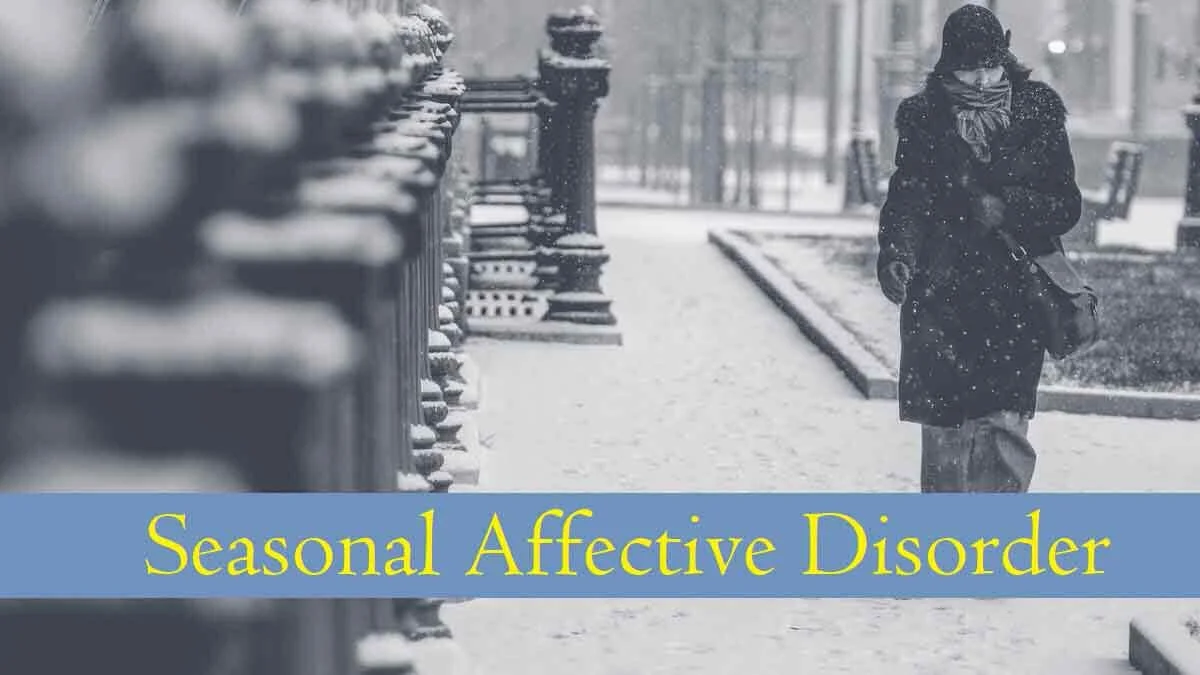
Seasonal Affective Disorder Goes Beyong The Winter blues and happens at the same time each year