Memory and Depression
Feeling more forgetful than usual? Feelings of depression and signs of depression can affect your memory in the long run. It appears the reverse is also true in that loss of memory can lead to greater depression. Depression not only affects how you feel, but it affects how you think. Depression is associated with feelings of hopelessness, insomnia and overall brain fog and fatigue, as well as a low mood. Cognitive impairment and depression often go hand in hand, so if you’re feeling more forgetful, don’t be alarmed, up to three to five people experience this. Working memory is affected, that is, the short-term memory we rely on from day to day, such as remembering where you put your keys. Your ability to respond is affected, in addition to decision making abilities, and reasoning skills. Concentration suffers as well as being able to switch tasks and prevent quick over reactions. There is a definite link between depression and cognitive impairment in older adults. A study conducted in 2018, found that people with at least one sign of depression also reported memory problems.
It appears that individuals who struggle with depression start to show problems accessing their memory banks and retrieving information. Depression seems to affect both autobiographical and declarative memory. Pattern separation is affected as well. Pattern separation is what the brain uses to encode memories in your memory bank. This can lead to confusion about where one has been, such as places or events. Depression can affect declarative memory, which is the memory of facts and events. Nerve cell creation is disrupted, leading to a failure in forming new memories or recalling others.
Another study conducted in 2018 also found that depression affected autobiographical memory, the memory that involves the timeline of your life and history and helps to define you and your sense of self. Their ability to recall is very vague. It’s like walking through a forest and not being able to see any of the trees anymore. Individuals who are more deeply depressed suffer from deeper memory problems as well as short-term memory loss. Attention and focus are affected as part of overall cognitive sharpness. The ability to self-monitor behaviour is impaired as well as the ability to focus on tasks and paying attention. This falls under the umbrella of executive function. Prospective memory also fails, such as the inability to return the library book on the due date.
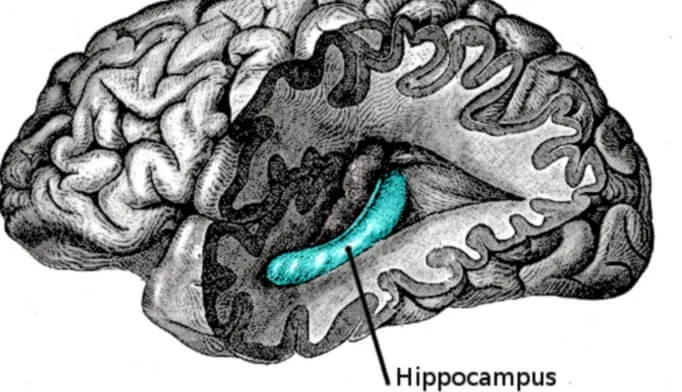
Depression also seems to have an effect on the grey matter in your brain. Grey matter is reduced in the emotional regions as well as working memory. Individuals who suffer from depression also have a tendency to remember negative events more than positive events in their lives. In depressed individuals, the hippocampus, which is the brain region responsible for memory and learning, is smaller for those who have reoccurring depression than in non-depressed individuals. The hippocampus is sensitive to stress. Stress increases cortisol in the body disrupting many different regions and leading to actual changes in the brain. A constant spinning of the wheels and rumination which is associated with depression robs the brain of the resources to focus on memory. Rumination manifests as an inability to voluntarily choose and regulate one’s thoughts and behavior leading to an inability to manage thinking patterns, self-reflection, and impulse control. The size of the Amygdala, which is the brain region that deals with emotions, is also reduced in depressed individuals.
Steps to manage depression:
Get exercise at least three times per week for a minimum of thirty minutes
Eat a healthy and balanced diet. (For my article on eating please refer here Intuitive Eating and here The Mental Health Benefits of the MD Diet )
Keep away from alcohol and drugs which only worsen signs of depression
Engage in stimulating cognitive games such as Sudoku or crossword puzzles
Attend a counseling and therapy session, either for individuals or couples. This shows activation in the prefrontal cortex associated with improved responsiveness and flexibility both essential to cognition and overall mood
Practice mindfulness and non-invasive gentle meditation
Memory impairment often goes hand in hand with depression and can disrupt functioning in daily life. It can disrupt relationships with others and performance at work. Considering how memory is linked to depression, it is important to consider memory when managing or preventing depression. If you or someone you know is struggling with depression and whose memory has been affected, don’t hesitate to reach out for therapy and get the support you need.
Depression not only affects how you feel, but it affects how you think.