From Codependency To Interdependence
Learning to Build Healthier Relationships
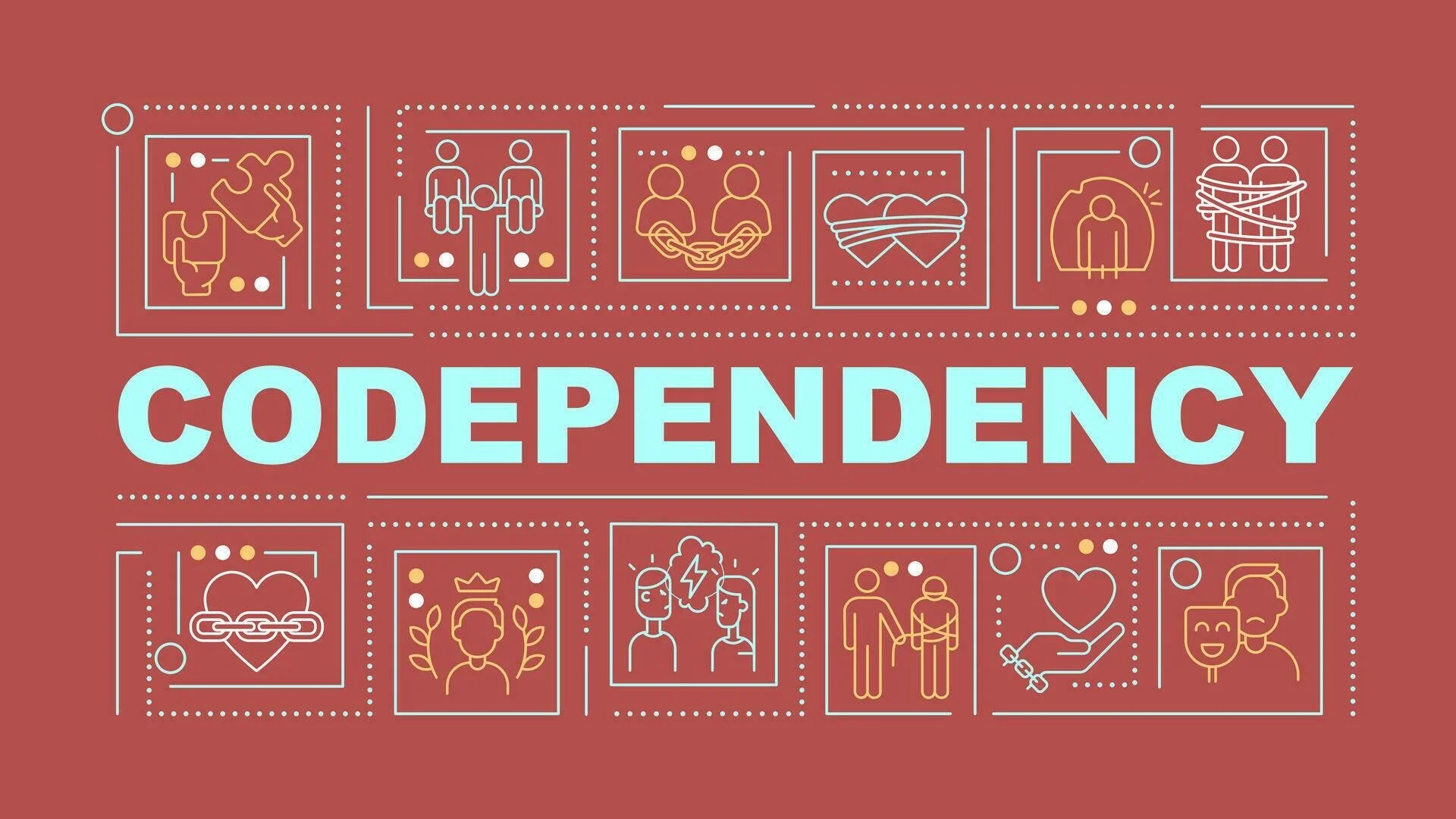
Codependency can be described as a pattern in which one person becomes overly focused on another person while neglecting their own needs, emotions, and responsibilities. This creates an imbalance within the relationship and can become emotionally unhealthy or even toxic. People experiencing codependency may describe their relationships as feeling like they are “walking on eggshells,” constantly monitoring the other person’s moods and reactions in an effort to avoid conflict.
Codependent individuals are often caring, supportive, compassionate, and highly attentive to the needs of others. However, these positive qualities can become problematic when taken to an extreme. A codependent person may routinely put everyone else first while ignoring their own emotional and physical needs. They may also struggle with people-pleasing and have difficulty saying no because they fear disappointing others or being rejected.
Although avoiding conflict may seem like a positive quality, consistently suppressing one’s feelings can have negative consequences. When emotions are repeatedly bottled up, resentment, frustration, anxiety, and low self-esteem can develop. Learning to communicate assertively and establish healthy boundaries can help individuals regain a sense of control and develop greater self-worth.
How Codependency Develops
Codependent patterns can occur in relationships with romantic partners, family members, or friends. Rather than experiencing a healthy sense of interdependence, where two people maintain their individuality while supporting one another, codependent relationships often involve excessive emotional dependency.
When a person becomes overly dependent on another individual, they may begin to lose their sense of identity. They may have difficulty distinguishing their own emotions, needs, and desires from those of the other person. This can create an enmeshed relationship in which personal boundaries become unclear.
Codependency can also contribute to feelings of sadness, hopelessness, anxiety, and despair. Some individuals become highly sensitive to the emotions of others and may feel as though they absorb or carry another person’s emotional distress. Over time, this can become overwhelming.
When emotional distress becomes difficult to manage, some individuals may turn to unhealthy coping strategies, including alcohol or other substances. Substance use may temporarily numb difficult emotions, but it does not address the underlying patterns of dependency, boundary difficulties, or low self-esteem.
Codependent patterns may also be influenced by early relationship experiences and attachment patterns developed during childhood or adolescence. Insecure attachment patterns can contribute to difficulties with trust, emotional regulation, boundaries, and fear of abandonment in adult relationships. However, codependency is not a formal diagnosis, and relationship patterns can develop for many different reasons.
Common Signs of Codependency
Some signs that a person may be experiencing codependent relationship patterns include:
· Feeling as though you are constantly walking on eggshells around another person
· Frequently apologizing and feeling responsible for everything that goes wrong
· Maintaining excessive contact through frequent texting or phone calls
· Attempting to rescue another person from the consequences of their substance use or other problems
· People-pleasing in order to gain approval or avoid rejection
· Ignoring your own responsibilities and needs while taking care of others
· Enabling another person’s unhealthy behavior through rescuing or covering for them
· Feeling responsible for another person’s emotions
· Having difficulty saying no or setting limits
· Feeling lost or disconnected from your own identity
· Losing your sense of self within the relationship
When these patterns become persistent, a person may begin to feel that their life revolves around maintaining the relationship rather than developing their own goals, interests, and identity.
Moving From Codependency Toward Interdependence
The first step toward change is developing awareness. Recognizing codependent patterns without judging yourself can help you understand how these behaviors developed and why they may have been difficult to change.
Working with a therapist can be particularly helpful. Therapy can provide a safe environment to explore relationship patterns, strengthen self-esteem, develop assertiveness skills, and learn how to establish and maintain healthy boundaries.
Self-compassion is another important part of recovery. Practices such as loving-kindness meditation, positive self-talk, and self-acceptance can help individuals become more comfortable acknowledging their own needs and validating their accomplishments. Taking care of yourself is not selfish; it is an important component of emotional well-being.
It can also be helpful to rediscover activities and interests that are uniquely your own. Spending time on hobbies, pursuing personal goals, and developing friendships outside of the primary relationship can strengthen your sense of identity and independence.
Learning to be assertive is another important step. This includes communicating your needs clearly, saying no when necessary, and maintaining the boundaries you establish. It is normal to experience guilt when first setting boundaries, particularly if you are accustomed to putting other people first. However, guilt does not necessarily mean that you are doing something wrong.
Ultimately, the goal is not to stop caring about other people. Instead, the goal is to develop healthier relationships based on interdependence. In an interdependent relationship, both people can support one another while maintaining their own identities, responsibilities, boundaries, and emotional well-being.
Resources such as Melody Beattie’s Codependent No More may also provide useful reflection exercises and perspectives for people who want to better understand codependent patterns. Peer-support programs such as Codependents Anonymous (CoDA) may offer another source of community and support.
Moving from codependency toward interdependence takes time and practice. By learning to recognize your own needs, establish healthy boundaries, communicate assertively, and develop a stronger sense of self, you can begin creating relationships that are more balanced, mutually supportive, and emotionally fulfilling.
Taking care of yourself is not selfish; it is an important component of emotional well-being.